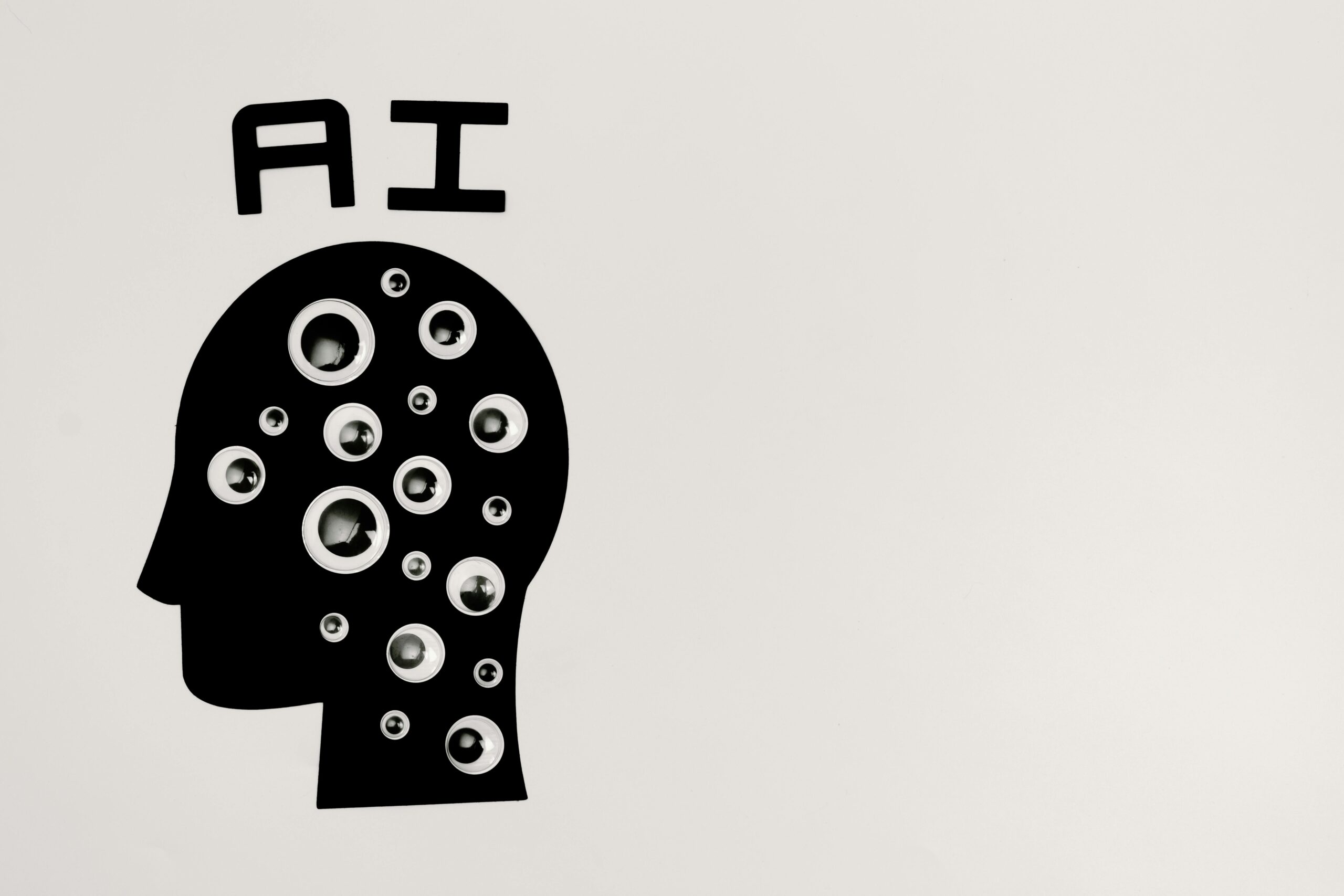
Your brain isn’t unlimited. Every decision, notification, and mental task consumes precious cognitive resources. Understanding this constraint is the first step toward genuine peak performance.

🧠 What Mental Bandwidth Really Means
Mental bandwidth refers to the cognitive capacity available for processing information, making decisions, and executing tasks. Think of it as the brain’s working memory combined with attentional resources—a finite pool that depletes throughout the day.
Unlike physical energy that can be somewhat predictable, mental bandwidth fluctuates based on stress levels, sleep quality, emotional state, and the complexity of demands placed upon it. When this bandwidth becomes overwhelmed, performance deteriorates rapidly, leading to poor decisions, reduced creativity, and increased error rates.
Cognitive scientists have demonstrated that our conscious mind can only handle approximately four chunks of information simultaneously in working memory. This limitation isn’t a flaw—it’s an evolutionary feature that prevents cognitive overload. The challenge in modern life is that we constantly exceed this capacity without realizing it.
The Science Behind Cognitive Load Theory
Cognitive Load Theory, developed by educational psychologist John Sweller in the 1980s, provides the framework for understanding mental bandwidth constraints. The theory identifies three types of cognitive load that compete for our limited mental resources.
Intrinsic cognitive load relates to the inherent difficulty of the material or task itself. Learning quantum physics naturally requires more mental bandwidth than reviewing a grocery list. This type of load cannot be eliminated but can be managed through proper sequencing and foundational knowledge building.
Extraneous cognitive load stems from how information is presented or how tasks are structured. Poor design, unclear instructions, or unnecessary complexity increase this load without adding value. This is the most controllable type of cognitive load and represents the biggest opportunity for optimization.
Germane cognitive load refers to the mental effort dedicated to processing, constructing, and automating schemas—the building blocks of expertise. This is the productive load that actually facilitates learning and skill development.
The Neurological Reality of Mental Fatigue
Research using functional MRI scans reveals that sustained cognitive effort depletes glucose and increases adenosine accumulation in the prefrontal cortex—the brain region responsible for executive functions. This depletion manifests as decision fatigue, reduced impulse control, and diminished analytical thinking.
Studies have shown that judges are more likely to grant parole early in the day when mental bandwidth is fresh, defaulting to safer “deny” decisions as cognitive resources deplete. This isn’t a character flaw—it’s biology affecting judgment when mental bandwidth runs low.
🎯 Identifying Your Mental Bandwidth Thieves
Before optimizing mental bandwidth, you must identify what’s consuming it unnecessarily. Modern life presents countless cognitive drains that operate below conscious awareness.
Context switching ranks among the most significant bandwidth thieves. Every time you shift between tasks or applications, your brain requires time to recalibrate, load relevant information, and suppress competing mental models. Research from the University of California indicates that it takes an average of 23 minutes to fully refocus after an interruption.
Decision overload depletes mental resources rapidly. From choosing what to wear to selecting lunch options to responding to messages, hundreds of micro-decisions accumulate daily. Each choice, regardless of significance, draws from the same cognitive well.
Notification bombardment creates constant cognitive disruption. Even when you don’t check your phone, simply knowing a notification exists occupies working memory. Studies demonstrate that the mere presence of a smartphone within view reduces available cognitive capacity.
Unclear priorities force continuous cognitive triaging. Without clear frameworks for decision-making, your brain expends excessive energy determining what deserves attention, leaving less bandwidth for actual execution.
The Hidden Cost of Environmental Chaos
Physical and digital clutter impose surprising cognitive loads. Visual complexity requires processing power, and disorganized environments force constant scanning and sorting behaviors. A Princeton University study found that physical clutter competes for attention, reducing performance and increasing stress.
Strategic Approaches to Preserving Mental Bandwidth
Optimizing cognitive resources requires deliberate systems that reduce unnecessary load while channeling remaining capacity toward high-value activities.
🔄 Implement Ruthless Batching
Batching similar tasks minimizes context-switching penalties. Rather than checking email throughout the day, designate specific windows for communication processing. Schedule creative work during consistent blocks when your brain knows what mode to enter.
This approach leverages the brain’s preference for patterns. When your neural networks recognize recurring structures, they automate loading relevant schemas, reducing the conscious load required to begin working.
✂️ Automate Trivial Decisions
Decision fatigue accumulates regardless of decision importance. Successful individuals from Steve Jobs to Barack Obama famously wore uniform wardrobes to eliminate one daily decision. This principle extends far beyond clothing.
- Establish default meals for specific days to eliminate food decision fatigue
- Create standard templates for recurring communications
- Use if-then planning to pre-decide responses to common scenarios
- Set default meeting structures to eliminate recurring organizational decisions
- Automate bill payments and routine financial transactions
Each automated decision preserves bandwidth for choices that genuinely matter.
🛡️ Create Strategic Ignorance
Information abundance creates cognitive scarcity. You cannot process everything, so strategic filtering becomes essential. Unsubscribe aggressively from newsletters, mute social media accounts that don’t provide clear value, and establish information boundaries.
The goal isn’t ignorance but intentional knowledge curation. Define what information genuinely serves your objectives and systematically exclude everything else. This prevents the cognitive load of continuous triaging and FOMO-driven consumption.
📊 Designing Your Optimal Cognitive Load Profile
Different work types impose varying cognitive demands. Matching task complexity to available mental bandwidth dramatically improves both performance and subjective experience.
| Time Period | Typical Bandwidth | Optimal Activities |
|---|---|---|
| First 2-3 hours after waking | Peak capacity | Complex problem-solving, strategic planning, creative work |
| Mid-morning to early afternoon | Moderate-high capacity | Collaborative work, learning new skills, important communications |
| Post-lunch dip | Reduced capacity | Routine tasks, organization, administrative work |
| Late afternoon recovery | Moderate capacity | Meetings, brainstorming, lighter creative tasks |
| Evening hours | Depleted capacity | Planning next day, simple routines, consumption vs. creation |
These patterns vary individually based on chronotype, but the principle remains consistent: match cognitive demand to available bandwidth rather than fighting biology.
⚡ Engineering Your Peak Performance Windows
Once you’ve identified your natural high-bandwidth periods, protect them fiercely. These windows represent your cognitive prime real estate—treat them accordingly.
Establish clear boundaries during peak periods. Disable notifications, use website blockers, communicate unavailability to colleagues, and physically isolate yourself if necessary. The return on protected deep work sessions far exceeds the perceived cost of temporary disconnection.
Before entering high-bandwidth work, reduce decision load by pre-planning. Know exactly what you’ll work on, have materials ready, and eliminate potential friction points that could derail momentum.
🔋 Restoring Depleted Mental Bandwidth
Bandwidth management isn’t only about conservation—active restoration practices multiply available cognitive resources over time.
The Restorative Power of Genuine Breaks
Not all breaks restore cognitive resources equally. Scrolling social media or watching random videos often increases cognitive load rather than reducing it. True restoration requires activities that engage different neural networks.
Nature exposure demonstrates remarkable restorative effects. A 2008 study published in Psychological Science found that participants who walked in nature showed improved attention and working memory compared to urban walkers. Even viewing natural scenes through windows provides measurable cognitive benefits.
Physical movement facilitates cognitive recovery through multiple mechanisms: increased cerebral blood flow, elevated BDNF production (a protein supporting neuroplasticity), and activation of the default mode network which facilitates insight and creative problem-solving.
Sleep as Non-Negotiable Bandwidth Restoration
Sleep deprivation devastates cognitive capacity more profoundly than most people realize. After 17-19 hours without sleep, cognitive performance matches someone with a blood alcohol content of 0.05%. Chronic sleep restriction accumulates as cognitive debt that cannot be repaid with weekend catch-up sleep alone.
During sleep, the brain consolidates learning, clears metabolic waste products, and restores neurotransmitter balance. Prioritizing 7-9 hours of quality sleep isn’t optional for sustained high performance—it’s foundational.
💡 Advanced Bandwidth Optimization Techniques
Cognitive Offloading to External Systems
The most successful performers minimize information held in working memory by establishing robust external systems. David Allen’s “Getting Things Done” methodology exemplifies this approach—capturing all commitments, ideas, and tasks in a trusted external system frees mental bandwidth previously occupied by remembering.
Digital tools enable sophisticated cognitive offloading when used properly. Task management systems, note-taking applications, and calendar blocking transfer the burden of remembering from biological to digital memory, preserving bandwidth for thinking rather than remembering.
However, tool proliferation creates new cognitive load. Maintain minimal systems that integrate seamlessly rather than accumulating applications that require their own mental overhead to manage.
Developing Productive Mental Models
Experts consume less bandwidth performing complex tasks because they’ve developed efficient mental models—cognitive structures that compress information and automate responses. A chess grandmaster doesn’t analyze individual pieces but recognizes patterns instantly.
Deliberately building mental models in your domain accelerates this process. Study frameworks, identify patterns, create analogies, and practice applying models until they become automatic. This investment reduces future cognitive load substantially.
🎪 Balancing Multiple Cognitive Demands
Modern professionals rarely have the luxury of single-task focus. The question becomes how to manage multiple projects without cognitive collapse.
Time blocking by cognitive demand prevents bandwidth fragmentation. Rather than randomly switching between projects, assign specific cognitive load types to designated periods. Reserve mornings for high-complexity work on your most important project, dedicate afternoons to collaborative work across multiple projects, and use low-bandwidth periods for administrative coordination.
Project switching protocols minimize context-switching costs. Before transitioning between major projects, spend 2-3 minutes reviewing progress and identifying the next specific action. This brief investment dramatically reduces restart friction and prevents the cognitive overhead of figuring out where you left off.
The Myth of Multitasking
Genuine simultaneous processing of complex tasks is neurologically impossible. What we call multitasking is actually rapid task-switching, and it’s extraordinarily inefficient. Stanford research found that heavy multitaskers perform worse than occasional multitaskers even on task-switching tests—they’ve trained their brains to be less effective.
The rare exception involves pairing an automatic task with a cognitively demanding one. Listening to podcasts while walking works because walking has become automated. Attempting to write emails during video calls fails because both require similar cognitive resources.
🚀 Transforming Understanding Into Performance
Knowledge without implementation changes nothing. Mastering mental bandwidth requires deliberate practice and systematic experimentation to discover what works for your unique cognitive profile.
Start by tracking your cognitive patterns for one week. Note your energy levels hourly, observe what depletes your mental resources, and identify when you perform best. This data-driven approach reveals personal patterns that generic advice cannot address.
Implement changes incrementally. Select one bandwidth optimization technique and practice it consistently for two weeks before adding another. This approach prevents the cognitive overload of managing too many new behaviors simultaneously.
Measure results based on output quality and subjective experience rather than hours worked. The goal isn’t maximum productivity but sustainable high performance that maintains cognitive health over decades, not days.

🌟 Building Long-Term Cognitive Resilience
Peak performance isn’t a sprint—it’s a career-long marathon requiring cognitive preservation strategies that compound over time.
Regular cognitive challenges in domains outside your profession maintain neuroplasticity and prevent narrow expertise from limiting cognitive flexibility. Learning languages, musical instruments, or complex physical skills creates cognitive reserve that enhances performance across domains.
Social connection provides cognitive benefits beyond obvious emotional support. Meaningful conversations require perspective-taking, theory of mind activation, and complex communication processing—all of which maintain cognitive sharpness.
Stress management directly impacts available bandwidth. Chronic stress reduces prefrontal cortex activity while increasing amygdala reactivity, shifting cognitive processing toward survival mode rather than complex thinking. Meditation, journaling, therapy, and other stress-management practices preserve cognitive capacity.
Your mental bandwidth represents your most valuable professional asset. Understanding its constraints isn’t limiting—it’s liberating. By working with your cognitive architecture rather than against it, you unlock sustainable peak performance that transforms both output quality and daily experience. The question isn’t whether to manage your mental bandwidth but whether you’ll do so deliberately or allow modern demands to fragment your cognitive capacity by default.