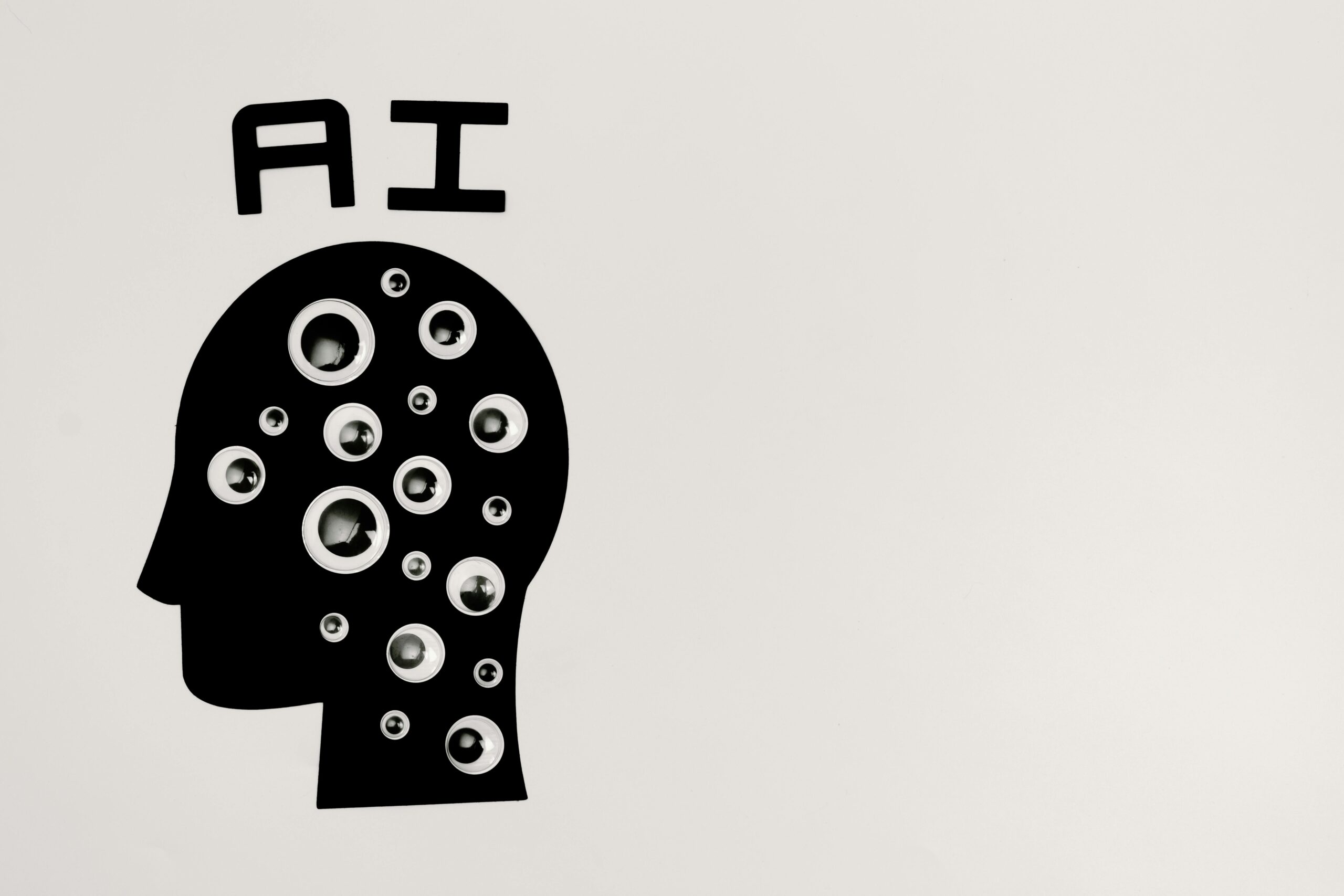
Automation promises efficiency and progress, yet beneath its gleaming surface lurk dangers that threaten our decision-making, skills, and safety when we rely too heavily on technology.

The Seductive Promise of Perfect Automation 🤖
We live in an era where automated systems govern everything from our morning coffee machines to the aircraft we fly in. The appeal is undeniable: automation reduces human error, increases productivity, and frees us from tedious tasks. Companies across industries have embraced automation with open arms, integrating sophisticated algorithms and artificial intelligence into their operational frameworks.
However, this technological embrace comes with a paradox. As we delegate more responsibilities to machines, we simultaneously create new vulnerabilities that weren’t present in manual systems. The automation trap isn’t about technology failing—it’s about humans becoming so dependent on automated systems that we lose the ability to recognize when those systems are leading us astray.
Understanding this trap requires examining real-world consequences, from aviation disasters to financial market crashes, where over-reliance on automation contributed to catastrophic failures. These incidents reveal a uncomfortable truth: automation doesn’t eliminate risk—it transforms and sometimes amplifies it in unexpected ways.
When Autopilot Becomes a Co-Pilot We Can’t Question ✈️
The aviation industry offers some of the most compelling case studies in automation dependency. Modern aircraft are marvels of automated engineering, capable of flying themselves from takeoff to landing with minimal human intervention. Pilots today spend much of their flight time monitoring systems rather than actively controlling the aircraft.
This shift has created what aviation experts call “automation complacency”—a state where human operators become passive observers rather than active decision-makers. When automated systems encounter situations outside their programming parameters, pilots sometimes lack the immediate skills or situational awareness to intervene effectively.
The Air France Flight 447 tragedy in 2009 exemplifies this danger. When airspeed sensors malfunctioned over the Atlantic Ocean, the autopilot disengaged, returning control to pilots who had become so accustomed to automated flight that they struggled to recognize and correct the problem. The aircraft stalled and crashed into the ocean, killing all 228 people aboard.
This incident wasn’t about technological failure alone—it was about the erosion of fundamental flying skills through overreliance on automation. Pilots had logged thousands of flight hours, but much of that time was spent managing computers rather than manually flying aircraft.
The Skill Degradation Phenomenon
When we automate tasks, we inevitably practice them less frequently. This creates a dangerous cycle: as our skills atrophy through disuse, we become even more dependent on the automation that replaced those skills in the first place. Researchers call this “deskilling,” and it affects professionals across multiple industries.
In medicine, doctors who rely heavily on diagnostic algorithms may lose their ability to recognize symptoms through clinical examination. In manufacturing, operators monitoring automated production lines may struggle to troubleshoot problems when systems fail. The pattern repeats across sectors: automation creates efficiency, but that efficiency comes at the cost of human expertise.
The Illusion of Control in Financial Markets 📈
Financial markets have undergone massive automation over the past two decades. High-frequency trading algorithms execute millions of transactions per second, far beyond human capability. These systems analyze market data, identify patterns, and make trading decisions autonomously, generating profits through tiny price differentials multiplied across enormous volumes.
The 2010 “Flash Crash” demonstrated how quickly automated trading systems can spiral out of control. On May 6, 2010, the Dow Jones Industrial Average plunged nearly 1,000 points within minutes, evaporating approximately $1 trillion in market value before recovering almost as quickly. The crash was triggered by automated trading algorithms reacting to each other in a cascading feedback loop that no human could predict or prevent in real-time.
This event revealed fundamental risks in automated financial systems. While individual algorithms functioned exactly as programmed, their collective behavior created system-wide instability. Human traders, removed from direct market participation, watched helplessly as machines executed transactions at incomprehensible speeds.
The Black Box Problem
Many modern automated systems, particularly those using machine learning, operate as “black boxes”—their decision-making processes are opaque even to their creators. An algorithm might accurately predict credit risk or recommend medical treatments, but explaining exactly how it reached those conclusions can be impossible.
This opacity creates accountability challenges. When automated systems make mistakes, determining responsibility becomes difficult. Was it faulty programming? Biased training data? An edge case the system wasn’t designed to handle? Without transparency, we struggle to learn from failures and improve systems.
Healthcare’s Growing Dependence on Digital Decision-Making 🏥
Modern medicine increasingly relies on automated diagnostic tools, electronic health records, and treatment algorithms. These systems aggregate patient data, compare symptoms against vast medical databases, and suggest diagnoses with impressive accuracy. They catch potential drug interactions, flag abnormal test results, and provide evidence-based treatment recommendations.
Yet this automation can also create dangerous blind spots. Physicians who trust algorithmic recommendations without critical evaluation may miss atypical presentations of diseases. Electronic health record systems, designed to improve information access, sometimes bury critical details under layers of standardized forms and checkboxes.
Alert fatigue represents a particularly insidious automation trap in healthcare. Safety systems generate countless automated warnings—about potential drug interactions, abnormal lab values, or documentation requirements. As clinicians encounter hundreds of these alerts daily, many become desensitized, dismissing warnings without proper evaluation. When genuine emergencies arise, they blend into the background noise of false alarms.
The Manufacturing Paradox: Efficiency Versus Resilience ⚙️
Automated manufacturing systems have revolutionized production efficiency. Robotic assembly lines operate continuously with minimal supervision, producing consistent quality at scales impossible for human workers. Supply chain automation optimizes inventory, predicts demand, and coordinates logistics across global networks.
However, this optimization creates brittleness. Just-in-time manufacturing systems, finely tuned by algorithms to minimize waste and storage costs, lack buffers to absorb disruptions. When the COVID-19 pandemic disrupted global supply chains, these automated systems couldn’t adapt quickly enough. Companies discovered that efficiency optimization had eliminated the redundancy necessary for resilience.
The semiconductor shortage that began in 2020 illustrates this vulnerability. Automated supply chain systems, programmed to minimize inventory, couldn’t respond when sudden demand shifts overwhelmed production capacity. What began as a temporary disruption cascaded into a multi-year crisis affecting industries from automotive to consumer electronics.
Human Oversight in Automated Environments
Maintaining meaningful human oversight of automated systems presents significant challenges. Operators monitoring automated processes face the paradox of vigilance: they must remain alert for rare failures while performing routine, monotonous observation tasks. Research consistently shows that humans struggle with sustained vigilance, particularly when automation handles tasks reliably most of the time.
This creates a cruel irony—automation is most needed where tasks are dangerous or prone to human error, yet those are precisely the situations where human intervention becomes most critical during system failures. When operators must suddenly transition from passive monitoring to active crisis management, they often lack the situational awareness and practiced skills necessary for effective response.
Social Media Algorithms and the Automation of Influence 📱
Perhaps nowhere is the automation trap more personally pervasive than in social media. Automated recommendation algorithms determine what billions of people see, read, and engage with daily. These systems optimize for engagement, learning what content keeps users scrolling and clicking, then serving more of it.
The consequences extend beyond individual users. Automated content curation has transformed information ecosystems, creating filter bubbles where people encounter primarily information confirming their existing beliefs. These algorithms don’t consciously manipulate—they simply optimize for their programmed objectives—but their collective impact shapes public discourse and political polarization.
Content moderation presents similar challenges. Platforms rely heavily on automated systems to identify and remove prohibited content—hate speech, violence, misinformation. Yet these systems struggle with context, nuance, and cultural differences. They make millions of moderation decisions daily, operating with minimal human oversight except when errors generate public outcry.
Building Smarter Relationships with Automated Systems 🛠️
Escaping the automation trap doesn’t mean rejecting automation—that’s neither practical nor desirable. Instead, we must develop more sophisticated approaches to human-automation collaboration that preserve human judgment while leveraging technological capabilities.
Successful automation maintains human operators in active roles rather than passive monitoring positions. Aviation has begun addressing this through policies requiring pilots to manually fly aircraft for portions of flights, maintaining skills that might otherwise atrophy. Similar principles apply across industries: automation should augment human capabilities rather than replace them entirely.
Designing for Transparency and Explainability
Systems designers must prioritize transparency, creating automated systems that explain their reasoning and highlight uncertainty. When algorithms make recommendations, users should understand the underlying logic and data. This transparency enables informed evaluation rather than blind acceptance.
Machine learning systems present particular challenges here, as their decision-making processes often resist straightforward explanation. Researchers are developing “explainable AI” techniques that make algorithmic reasoning more interpretable, though significant work remains before these approaches become standard practice.
Maintaining Critical Thinking Skills
Organizations must actively preserve human expertise even as they adopt automation. This means creating opportunities for practitioners to exercise skills regularly, not just during emergencies. It means valuing expertise that may seem redundant when automation functions reliably but becomes critical during failures.
Education systems need updating to prepare people for automated environments. Rather than teaching tasks that machines can easily automate, education should focus on judgment, critical thinking, and the ability to recognize when automated systems are producing questionable outputs.
The Path Forward: Purposeful Automation Rather Than Default Automation 🎯
The automation trap stems from treating automation as an unqualified good rather than a tool requiring careful implementation. Not every task benefits from automation. Some processes require human judgment, flexibility, or ethical reasoning that algorithms cannot replicate.
Decisions about what to automate should consider not just immediate efficiency gains but long-term consequences for skills, resilience, and human agency. This requires asking difficult questions: What capabilities might we lose? How will this automation affect our ability to respond when systems fail? What happens when circumstances change in ways the automation wasn’t designed to handle?
Organizations should conduct regular “automation audits”—systematic reviews of automated systems examining not just their performance but their impact on human skills, organizational resilience, and decision-making quality. These audits should identify over-reliance risks and implement safeguards before failures occur.
Regulatory Frameworks for High-Stakes Automation
As automation extends into higher-stakes domains—autonomous vehicles, medical diagnosis, criminal justice—regulatory frameworks must evolve. Current regulations often lag technological capabilities, addressing automation through rules designed for human operators.
Effective regulation should mandate transparency, require human oversight for consequential decisions, and establish accountability when automated systems cause harm. It should encourage innovation while ensuring that efficiency gains don’t come at unacceptable safety or ethical costs.
Reclaiming Agency in an Automated World 🌍
The automation trap ultimately concerns human agency—our capacity to make meaningful decisions, exercise judgment, and maintain control over technologies we create. Avoiding this trap requires conscious effort to preserve these capabilities even as automation offers seductive promises of efficiency and convenience.
This doesn’t mean fearing or rejecting automation. Rather, it means approaching automation thoughtfully, recognizing both its tremendous benefits and its genuine risks. It means designing systems that keep humans engaged rather than sidelined. It means maintaining skills and judgment even when they seem unnecessary.
Most importantly, it means remembering that automation serves human purposes. When we become servants of our own systems, optimizing our behavior to suit automated processes rather than adapting those processes to human needs, we’ve fallen completely into the trap.
The future needn’t be a choice between embracing automation uncritically or rejecting it entirely. By understanding the hidden risks of overreliance, maintaining critical thinking skills, and designing systems that augment rather than replace human judgment, we can harness automation’s benefits while avoiding its traps. The key is staying engaged, questioning outputs, and preserving the human capabilities that make us more than just another input in an automated system.